Just Eat Couriers operates a large on-demand delivery network, but the way deliveries are fulfilled can differ by country and even by city.
Because policies can change, always confirm the exact requirements shown in your local courier signup portal and help centre before you submit documents.
How Just Eat’s delivery network is organised
Just Eat connects customers, restaurants, and couriers through a platform that routes orders and assigns delivery orders in real time.
Deliveries are completed by independent couriers using their own vehicles, while some markets also use employed courier models in certain cities.
The network’s “shape” depends on restaurant density, customer demand, and whether delivery is handled by restaurants, couriers, or a mix.
Your courier experience will typically be app-led, with shifts or availability settings depending on the local setup and contract model.
Marketplace vs logistics delivery
In some locations, restaurants may handle delivery themselves, while in others, Just Eat Couriers are more heavily relied.
Where Just Eat runs more of the logistics side, couriers are a core part of meeting delivery times, especially during lunch and dinner peaks.
This is why the signup flow often emphasizes readiness items like ID checks, insurance details (where applicable), and eligibility to work.
Coverage and peak-time operations
Courier demand typically rises during predictable peaks, and platforms often manage this by increasing courier supply and optimizing dispatch.
You’ll usually see the biggest earning opportunities when order volume is high, but that also means more time pressure and more competition.
Local operating choices—like whether couriers are scheduled, how zones are defined, and how incentives work—can vary across countries and cities.
Courier support and equipment basics
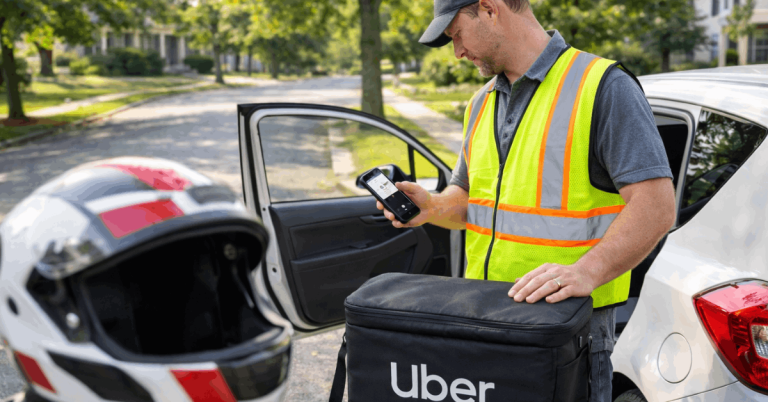
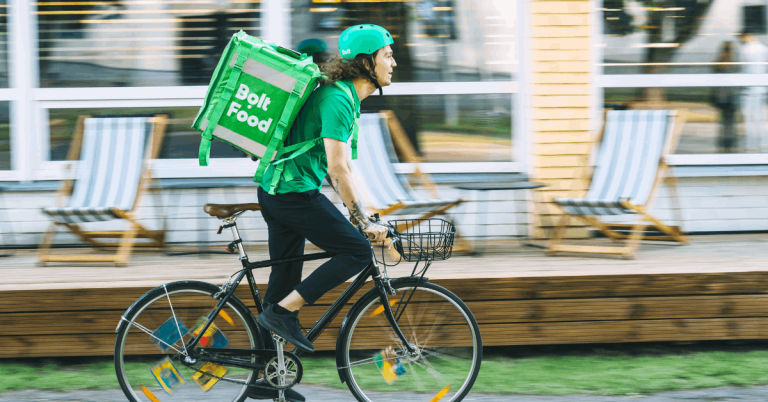
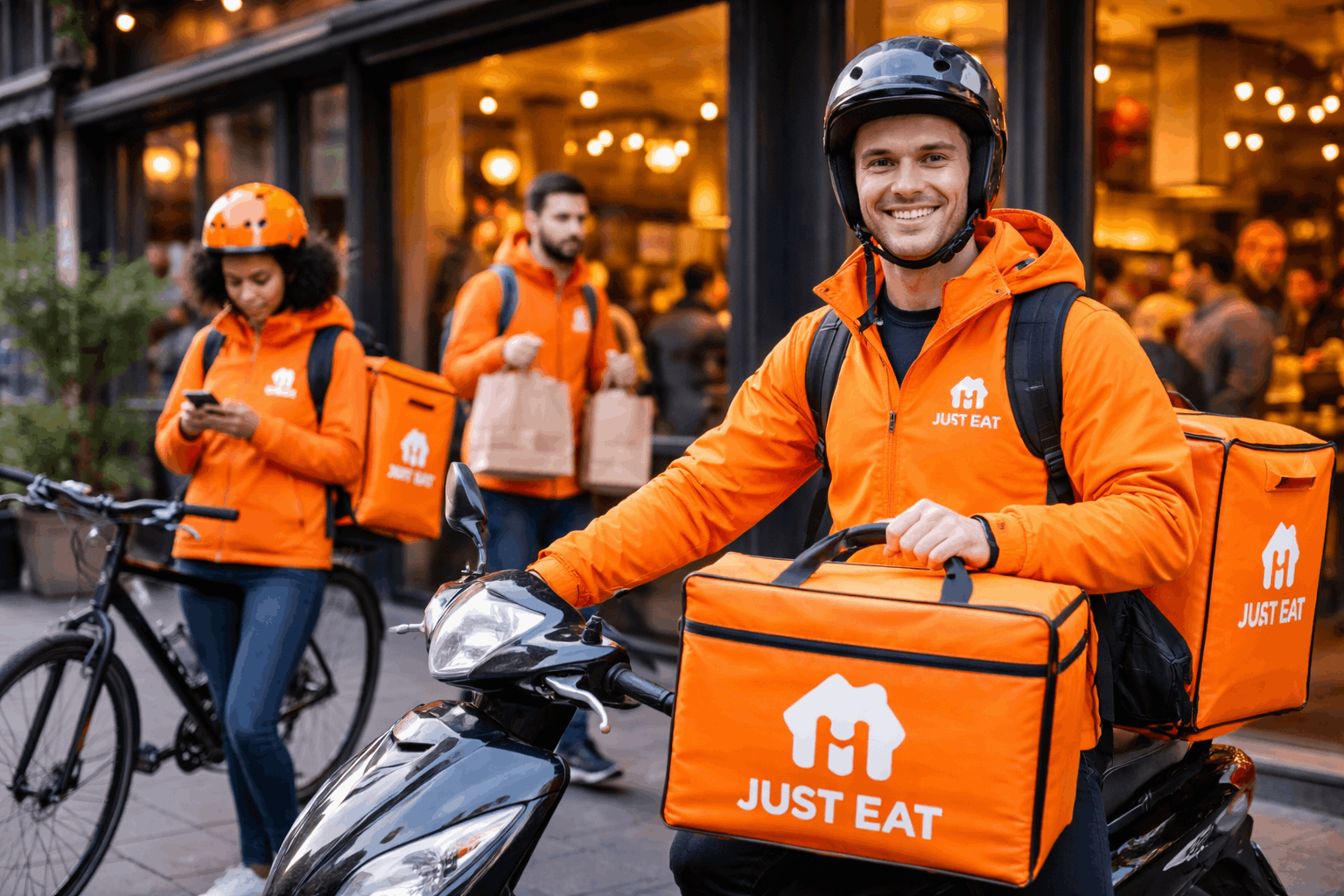
Most courier programs expect you to deliver food safely, which usually means using thermal bags and following basic handling rules.
Equipment expectations vary by market, and some countries describe what the company provides versus what the courier must supply.
If your local site mentions a provided kit or hubs, treat that as the source of truth for your city rather than assuming the same setup everywhere.
Who can sign up as a courier
Just Eat generally sets baseline eligibility rules to reduce fraud, confirm legal work status, and ensure deliveries can be completed reliably.
Minimum age and work eligibility
The UK courier help centre states you must be aged 18 or over to sign up as a courier on the Just Eat Network.
Just Eat’s courier signup pages also highlight proof of work eligibility as a key item to have ready during registration.
If you’re in a market that requires residence or work permits, you’ll need to provide those where relevant.
Vehicle options and safety basics
Allowed delivery methods can include cars, scooters, bikes, or e-bikes, depending on the country and city rules.
Some regions explicitly mention a “reliable vehicle,” while Ireland’s courier checklist also references the option of a push bike.
If you use a motor vehicle, your local program may require proof of the right type of vehicle insurance for delivery work.
Documents you should have ready
Just Eat’s UK courier signup site lists common registration items like a government-issued photo ID and proof of work eligibility.
Needing documents includes a valid driver’s license, vehicle insurance, and a background check as part of the signup.
Because document lists differ by market, use your local courier help center checklist as your definitive reference when preparing uploads.
The signup flow and checks for Just Eat Couriers
Courier registration is typically completed online, and you’re guided through creating an account and submitting required details and documents.
Expect verification steps, since platforms need to confirm identity, eligibility to work, and (where relevant) driving and insurance details.
In the UK signup flow, Just Eat warns that a partner runs a background check, so you should watch for emails during onboarding.
Approval timelines aren’t universal, so the most accurate estimate is usually what your local portal displays during the process.
Identity verification and background screening
Applicants must match their full name to their government ID to prevent verification issues.
The same UK signup page notes that the background check is run by Sterling, so missing an email can slow down onboarding.
The UK help centre also lists a background check as part of what you must submit to sign up on the network.
Insurance and compliance checks
In the UK, signup guidance, “food delivery insurance” is called out as a key detail to have ready during registration.
The UK help article also lists vehicle insurance among the documents to submit, reinforcing that motor-vehicle couriers should expect an insurance step.
In Italy, driving license and vehicle insurance requirements for those using a scooter show how requirements shift by vehicle type.
Getting activated and starting deliveries
Once you pass checks and your account is approved, you typically get access to delivery offers through the courier app experience in your region.
Most courier programs require you to have a smartphone with a data plan, since job offers, navigation, and support are usually app-based.
The UK help center also mentions basics like banking information and thermal bags, which are practical necessities before you take your first order.
Pay mechanics, fees, and practical expectations
Earnings are not a single universal rate, because pay structures depend on country rules, contract type, and local operational decisions.
Some Just Eat materials describe flexible earning (“earn extra cash on your own time”), but the exact calculation method is usually explained inside your local onboarding flow.
You should also plan for practical costs like fuel or bike maintenance, since many courier arrangements rely on the courier’s own vehicle.
Before relying on courier income, review the contract type offered in your market and make sure you understand what is paid, what is reimbursed, and what isn’t.
Employment vs self-employed models
Expanding employed courier models exist in some places, including references to roll-outs and city expansion in prior reporting.
In other markets, couriers may be independent, which changes how taxes, insurance, and equipment responsibilities are handled.
Switzerland’s courier content explicitly frames “contract types” as something discussed during hiring, which signals that status and terms can vary.
Costs couriers usually cover
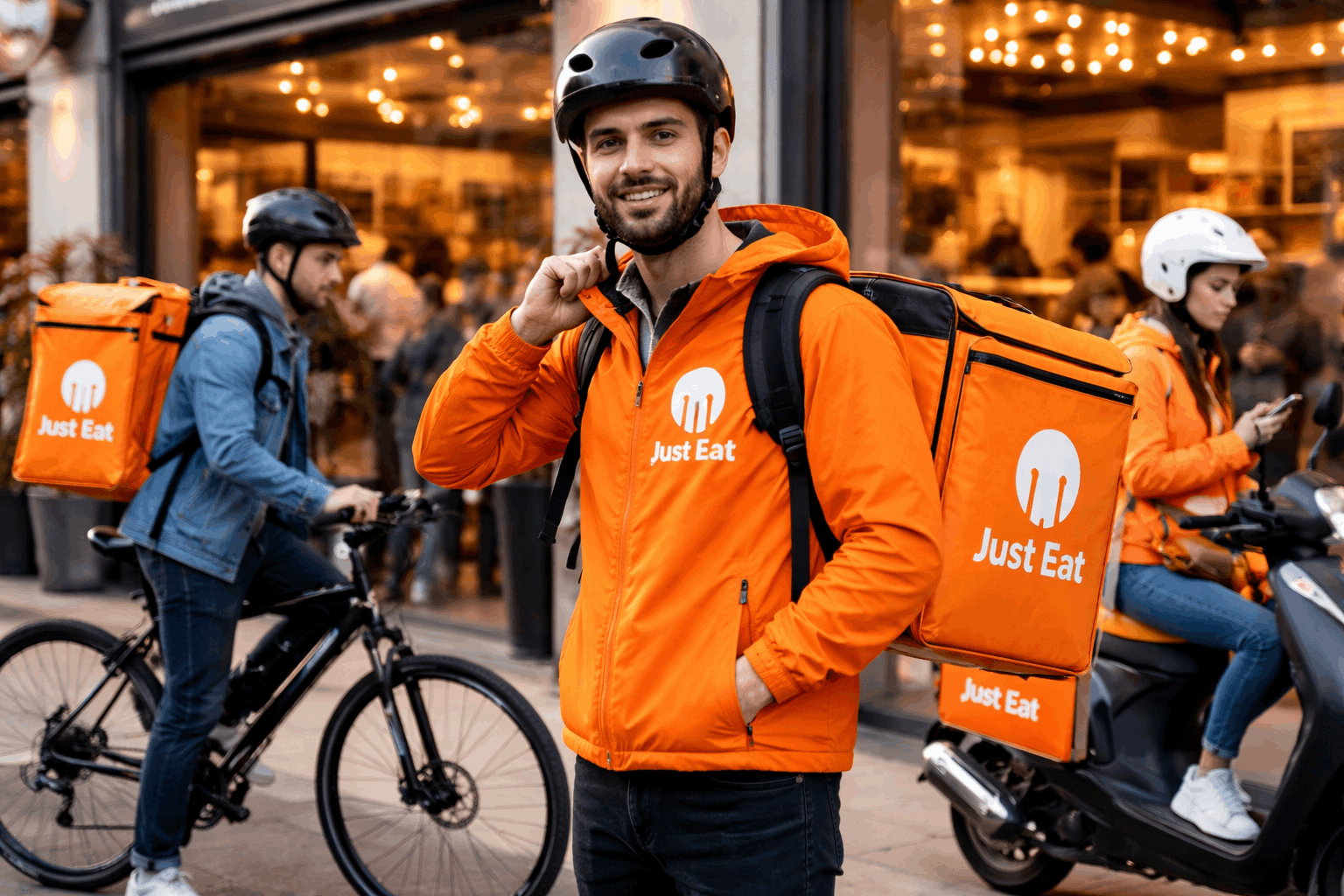
If you deliver using your own car or scooter, costs like fuel, servicing, and correct insurance can be part of the job’s baseline reality.
Bike couriers may avoid fuel costs but still face expenses like repairs, weather gear, and safety equipment, depending on local expectations.
Because thermal catering bags are a need, check whether you must buy them yourself or if your local program supplies them.
Conclusion
Operationally, success for Just Eat Couriers tends to mean consistent attendance, fast pickups, safe delivery handling, and low issue rates.
Your onboarding materials may stress process discipline, because early mistakes can delay activation.
If you want to optimize your experience, focus on peak times, reliable vehicle readiness, and staying compliant.