Job hunting feels simpler when you know the role you want. The food delivery market in Europe hires couriers in many cities. Options include app courier work, restaurant teams, and fleet partners.
This guide compares the main paths and explains duties, pay, and schedules. It flags rules, costs, and paperwork that vary by country. You will learn where to apply and how to onboard correctly.
How the Food Delivery Market Works Across Europe
Delivery demand changes by city, yet the workflow stays consistent most days. You accept an order, reach the pickup, and then deliver within a window.
Apps handle routing, updates, and fees while tracking service speed. Restaurants or fleets may add extra steps for packing and handoff.
Local demand drives your earnings more than the brand name on the app. This overview helps you pick a setup that fits your time and transport.
The Main Types of Courier Work You Will See
Openings usually fall into app couriers, restaurant couriers, or fleet partner couriers. App couriers choose when to log in, but they cover most costs. Restaurant roles are closer to hourly jobs with fixed shifts and managers.
Fleet partners recruit riders for platforms and sometimes provide scheduling support. Each route changes the support you get when orders, pay, or customers go wrong. Choose based on whether you want flexibility or more structure.
Contractor Versus Employee Models
Courier status can be employee, self-employed, or agency-employed by the country. Employee models often include clearer pay rules and formal dispute steps. Contractor models can feel freer, but taxes and insurance may be yours.
Agency models may handle payroll while the platform controls demand and routing. Classification changes your net income because it affects fees and protections. Before applying, confirm the label used for the role in that city.
How Pay Is Usually Calculated
Pay is often a per-delivery fee plus distance, time, and demand bonuses. Some markets add hourly guarantees for certain shifts or bad weather. Tips can help, but they vary by culture, app design, and neighborhoods.
You must subtract costs like fuel, repairs, and mobile data from gross pay. Track your results for two weeks to see real patterns across weekdays. That tracking gives you the quickest, most realistic income estimate.
The Main Courier Platforms and What They Expect
Platforms can look similar, but local operations differ across Europe. Some focus on short urban trips, while others cover wider zones.
Onboarding may include document checks, short training modules, and equipment rules. Support can range from in-app chat to staffed local hubs.
Many cities also use fleet partners that manage shifts and rider performance. Picking the right platform early saves time when approvals move slowly. Check payout frequency and fee breakdown before accepting terms.
Just Eat Takeaway and Common Employment Setups
Just Eat Takeaway is linked to employee-style courier setups in some markets. That can mean scheduled shifts, assigned zones, and clear supervision. You may get branded gear and structured training that helps beginners.
The tradeoff is less freedom to log in at any time you want. Predictable shifts can stabilize income when you need routine and planning. Ask whether the employer is the platform or a local partner company.
Deliveroo, Uber Eats, and Flexible Rider Models
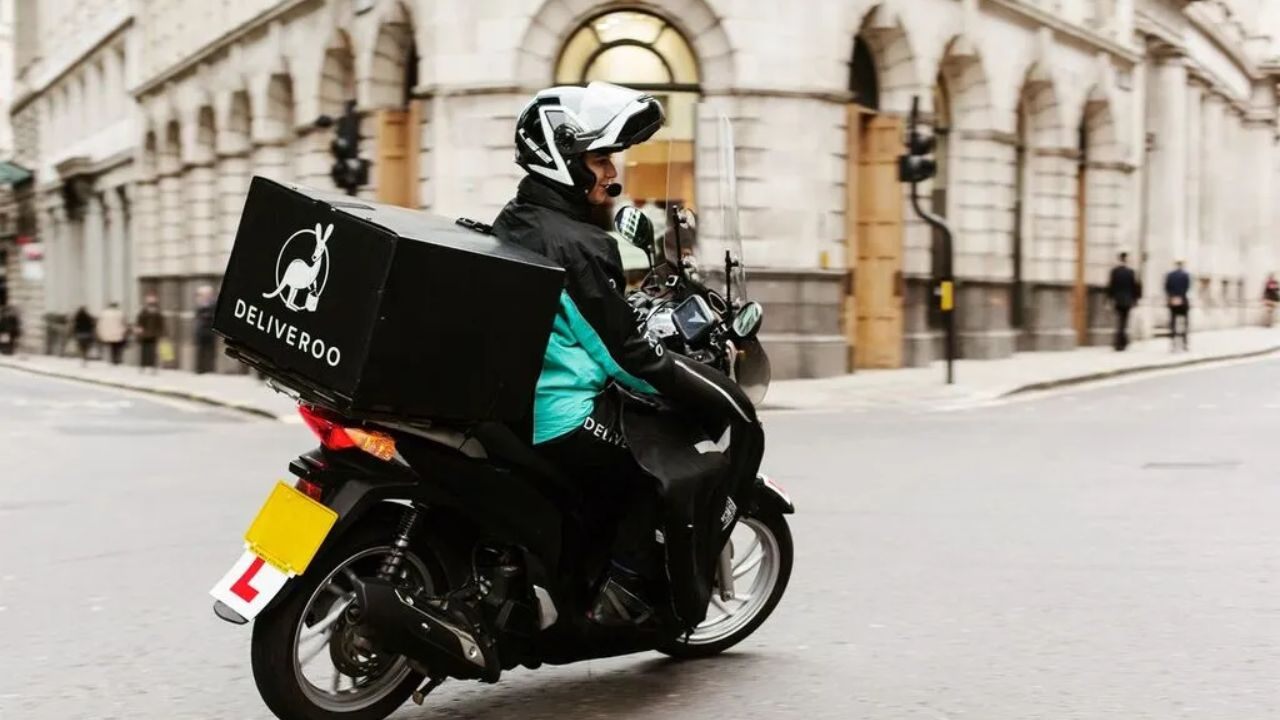
Deliveroo and Uber Eats often use flexible rider models in many cities. You can usually choose hours, but incentives push coverage at peak times. Zone choice and order acceptance can change what requests you receive during lunch and dinner peaks.
You are often responsible for transport readiness and basic equipment. Flexibility works best with planning because random sessions rarely feel steady. Set weekly target hours and track earnings per hour after costs.
Local and Regional Platforms That Hire Often
Local platforms can be strong options where global apps compete heavily. Some specialize in late-night delivery, groceries, or specific restaurant groups. Hiring may be direct, with clearer schedules and faster local support.
The downside can be lower order volume outside peak periods, especially in winter. Local operators may offer clearer communication because teams know the city. Search in the local language to find these roles and compare terms quickly.
Food Delivery Apps Currently Used Across Europe
Across Europe, the most widely used apps vary by city and country. You will often see Just Eat Takeaway brands such as Just Eat, Lieferando, and Thuisbezorgd. Deliveroo and Uber Eats operate in multiple European markets, especially in large cities.
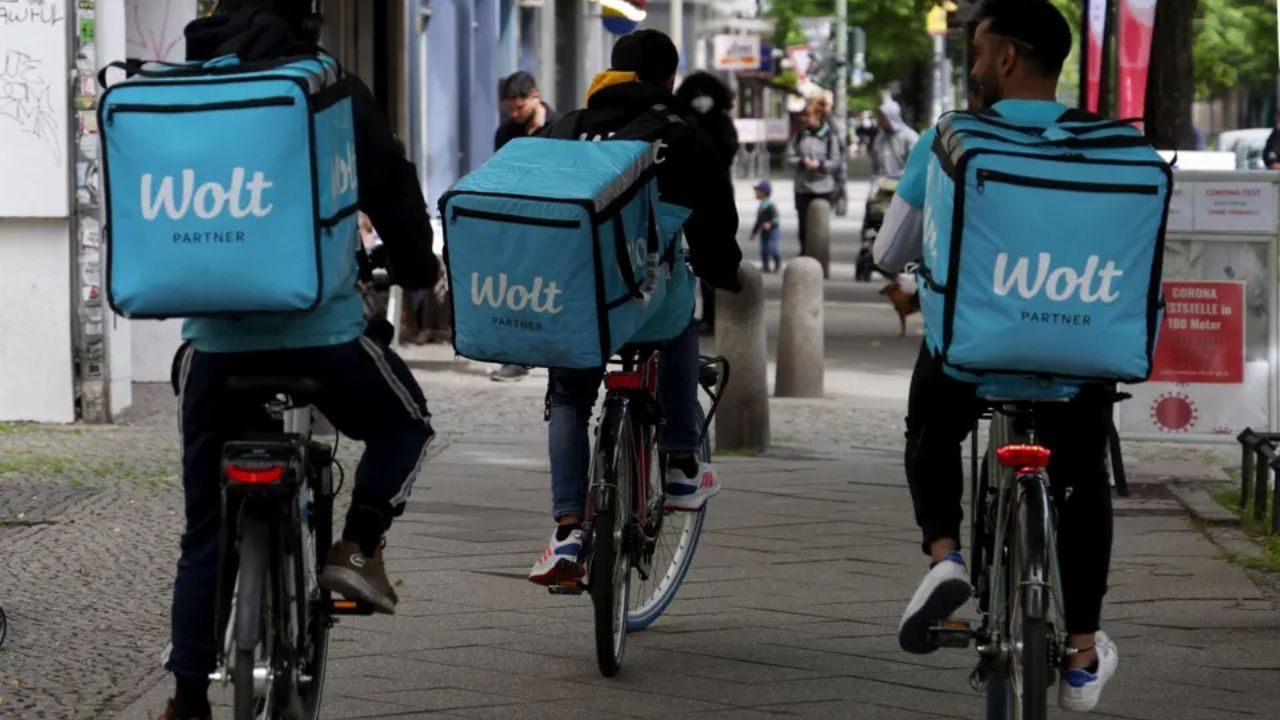
Glovo has a strong footprint in parts of Southern and Eastern Europe. Wolt is widely used in several Northern and Central European markets.
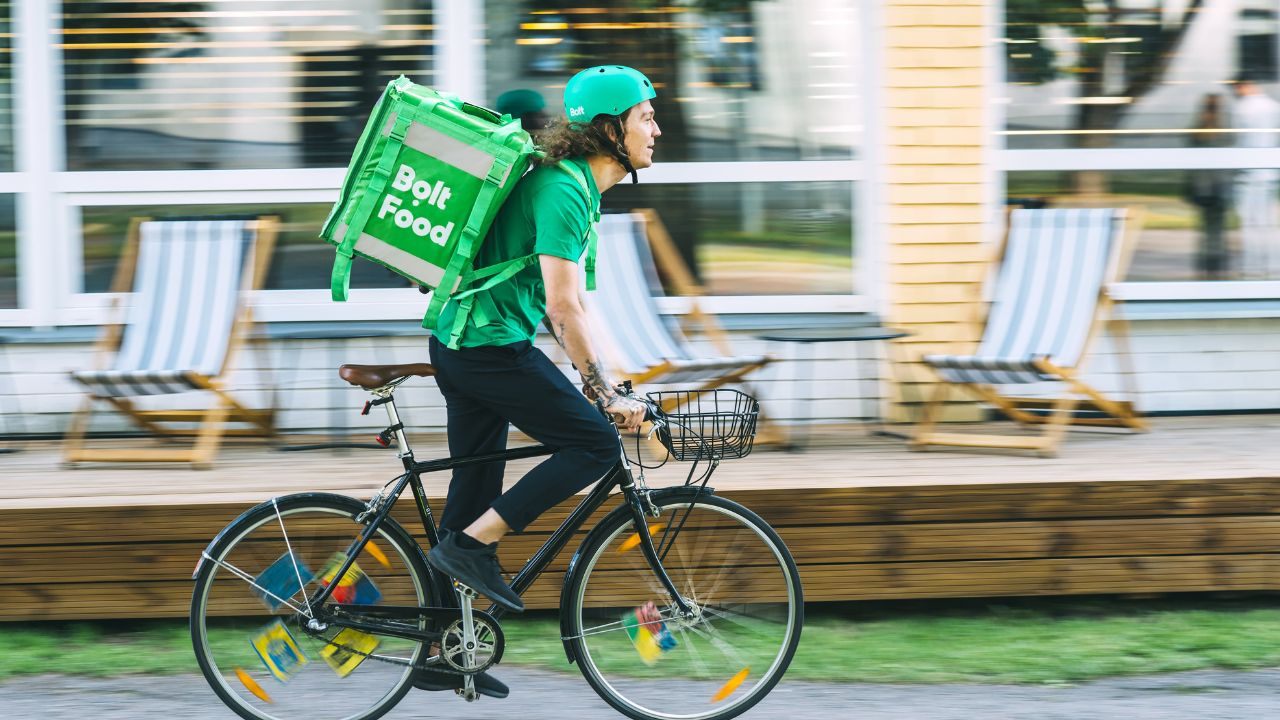
Bolt Food is active in a number of European countries, with coverage that can be city-specific. Check which apps serve your postcode before applying, because availability and hiring needs change by location.
Regulations, Worker Rights, and What Changes by Country
Regulations shape what you register, what protections you receive, and what costs you carry.
Countries differ on whether couriers are employees, contractors, or agency workers. Local rules can also affect pay floors, insurance requirements, and safety obligations.
Do not rely on advice online because it can be outdated or city-specific. Knowing the basics prevents surprises like unpaid taxes, account freezes, or invalid coverage. Read the terms and check the guidance before you start.
Worker Classification and Employment Rights
Worker rights depend on classification, and that changes what you can demand. Employees may have protections on minimum pay, paid leave, and complaint procedures.
Contractors may control hours, but they often lack built-in protections. Some countries are tightening rules, so models can change throughout the year.
Save copies of key terms about pay, deactivation, and dispute handling. If a clause is unclear, ask the platform or employer before accepting.
Taxes, Registration, and Insurance Basics
If you are self-employed, you may need to register and file taxes on schedule. Even with platform summaries, keep your own log of trips, hours, and expenses. Insurance can include liability, vehicle cover, and accident protection in the country.
Scooters and cars may require extra permits for commercial use in some cities. A simple record system reduces risk and makes renewals less stressful. Set aside a tax percentage from the first payout you receive.
Safety Rules, Gear, and Vehicle Requirements
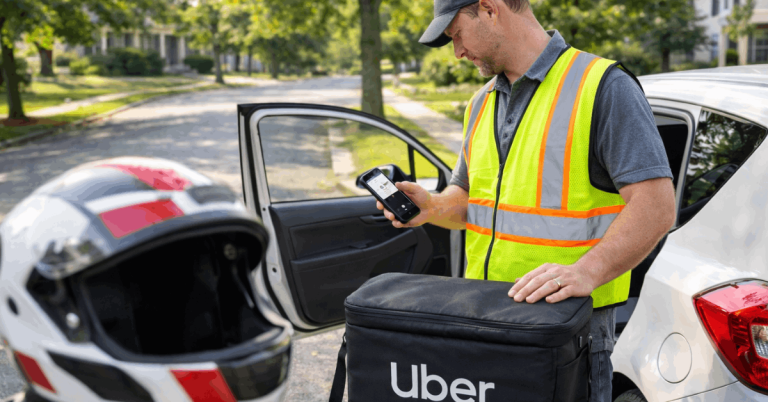
Safety matters because you work in traffic, often in bad weather, under time pressure. Platforms may require insulated bags, reflective gear, and a phone mount.
Vehicle rules can include registration, inspections, and the correct license category. E-bike riders should check local speed limits and helmet requirements.
Consistency is your best protection because shortcuts create crashes and account bans. Treat safety like performance, and build habits you can repeat every shift.
Benefits, Requirements, and How to Apply
Choosing a setup is not only about gross pay, because costs change outcomes. A flexible model can look higher, but expenses can quietly reduce earnings.
Employee roles may pay less per hour, yet they can add benefits and predictability. Your transport, local demand, and available hours decide what works in practice.
Start by listing your weekly costs for fuel, maintenance, data, and gear. Then compare offers using net pay and realistic schedules, not promises.
Benefits You Might Get as an Employee
Employee courier roles may include paid holidays, sick pay, and structured training. Some employers provide equipment, reimbursements, or support for repairs and maintenance.
Scheduled shifts help you plan school, family duties, or a second job. In some places, employee status supports rentals or credit because income looks stable.
Stability can beat a higher headline rate when it improves long-term consistency. Ask when benefits start, what hours you must keep, and how reviews affect pay.
Requirements for Contractors and Self-Employed Couriers
Contractor roles usually require identification, right to work proof, and a bank account. You may need tax registration, proof of insurance, and vehicle documents before activation.
Most platforms set age minimums and may run background checks in some countries. Plan to buy a delivery bag, phone accessories, and basic safety gear upfront.
Being prepared speeds approvals because missing items trigger rechecks and delays. Keep digital copies in one folder so renewals and updates are simple.
Where to Apply and How to Onboard
Where you apply matters because scams target couriers with fake activation fees. Use official platform pages, in-app onboarding links, or verified fleet partner lists. Local job boards and city employment services can list direct-hire courier roles, too.
Prepare clear document photos, then upload them through the official portal or app. Check names and dates before submitting because mismatches create long delays. After approval, work consistent hours in week one to learn demand patterns.
Conclusion
Courier work can be a fast entry job, but planning matters. In the food delivery market in Europe, contract type shapes pay and costs. Pick a platform that fits your transport and weekly hours.
Use official portals only and keep copies of every upload. Track earnings after expenses so you know your real hourly rate. With safe habits, you can build a steady income and experience.