A clear view of Circle K Positions helps candidates target the right entry point and prepare for day-one expectations. Convenience retail moves quickly, so stores value friendly service, accurate cash handling, clean spaces, and consistent product availability.
Most locations run late hours, sometimes twenty-four seven, which means flexible scheduling and reliable coverage matter. Solid performance in the associate role opens direct paths to lead, assistant manager, and store manager seats inside the same regional network.
What Circle K In-Store Associates Do
This role keeps the location running during every shift while safeguarding cash, stock, and customer experience. Expect a steady mix of customer support, register work, restocking, light food preparation, and cleaning tasks.
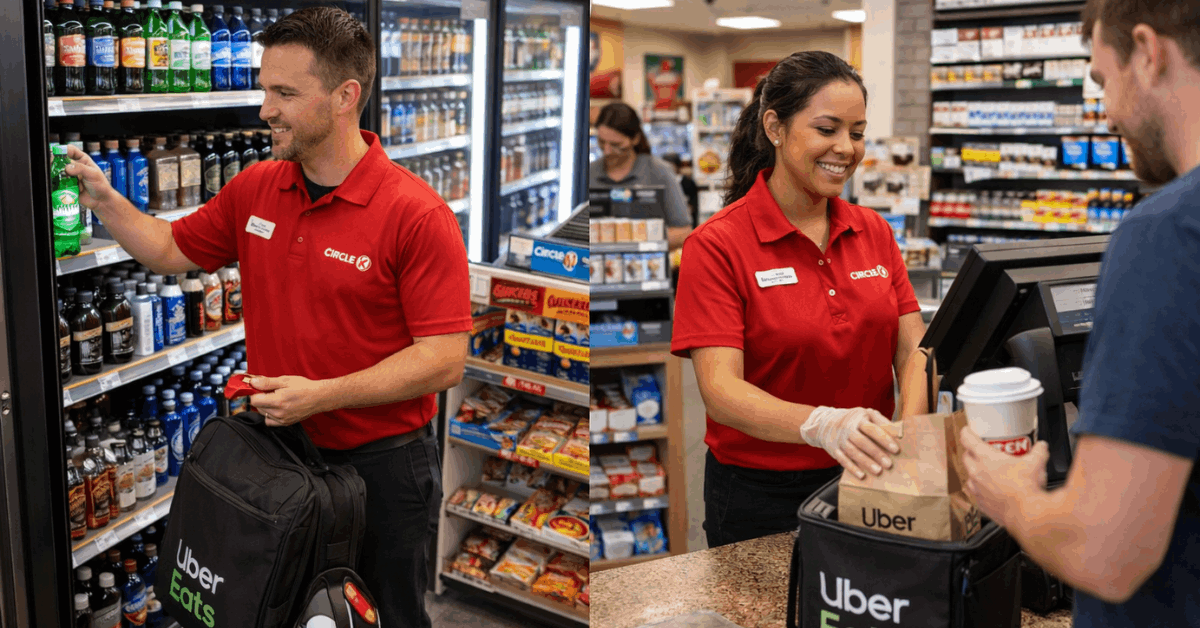
Safety awareness remains part of every duty, since associates monitor the forecourt, follow age-restricted product rules, and escalate incidents quickly. Strong teamwork keeps pace during rushes, especially around coffee peaks, lunch windows, lottery traffic, and evening commutes.
Customer Service
Fast, friendly interactions set the tone for repeat visits and positive mystery shop scores.
Greeting customers, answering product questions, and resolving small issues at the counter form the core of daily work. Escalations move to a lead or manager when policy or safety boundaries apply. Strong customer service skills shorten lines, protect basket sizes, and reduce refunds.
Cashiering
Register accuracy protects the store’s daily deposit and reduces shrink. Tasks include scanning items, processing returns within policy, verifying age for restricted sales, and managing cash drops.
Many markets add lottery sales and end-of-shift lottery reconciliation, so attention to detail matters. Teams balance drawers, prepare deposit envelopes, and follow loss-prevention cues without shortcuts.
Merchandising and Stocking
Facing shelves, rotating dated items, and filling gaps keep the store shoppable during rush periods.
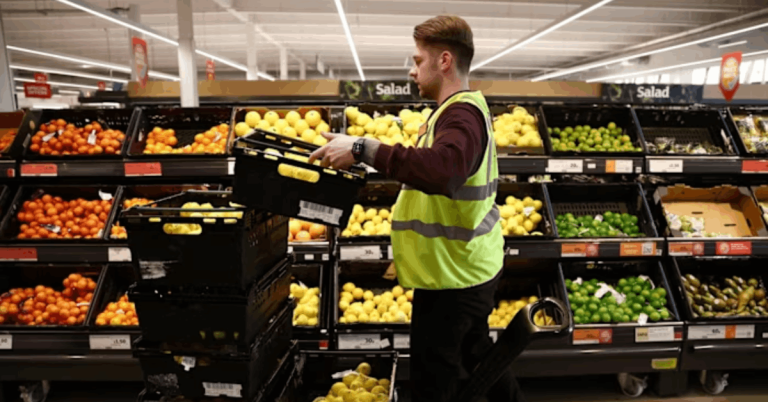
Associates scan delivery pallets, break cases, and restock high-velocity categories such as beverages, snacks, and grab-and-go meals. Inventory counts support orders and markdowns, while seasonal resets follow planograms supplied by the merchandising team.
Food Service
Coffee, hot food, and cold case items require clear food service standards for temperature, freshness, and labeling.
Associates brew, clean, and calibrate beverage equipment, then prepare hot holds and bakery where offered. Logs capture discard times and prep cycles to maintain quality and reduce waste. Sanitizing schedules and glove use protect food safety at busy stations.
Maintenance and Forecourt
Clean interiors and a tidy exterior shape customer perception and safety. Teams sweep, mop, wipe counters, restock bathrooms, empty trash, and monitor spills.
Forecourt checks cover pump areas, squeegee buckets, trash cans, and windshield fluid where applicable. Incident response follows store safety protocols and local rules for fuel areas.
Security and Policy
Company policies guide ID checks, tender acceptance, restricted sales, and cash office routines.
Associates lock doors for overnight cleaning windows where required and call a manager or emergency services when safety risks emerge. Camera coverage, drop safes, and two-person procedures support safer closing routines.
Work Schedules and Environment
Most stores schedule multiple shifts to cover early morning coffee traffic, afternoon restocks, and late evenings. Many regions require overnight shift availability, weekend coverage, and some holidays, since customer demand follows commuter and neighborhood patterns.
A typical floor day blends register time, stocking cycles, quick breaks, and short cleaning blocks aligned to quieter minutes. Good teams call out priorities at shift handoff, track small tasks on a whiteboard or app, and help each other clear bottlenecks.
Core Skills and Requirements
This section summarizes the baseline qualifications and work capabilities hiring managers screen for at application and interview. Expect physical stamina checks, policy awareness questions, and situational prompts that test service instincts.
- High school diploma or GED meets the common educational bar for most markets.
- Standing for extended periods and lifting up to 30 pounds align with stocking and cleaning needs.
- Clear verbal communication, calm conflict handling, and quick problem solving reflect retail cashier responsibilities.
- Comfort using point-of-sale systems, lottery terminals, and basic apps supports accuracy.
- Reliability on punctuality, breaks, and till procedures signals readiness for trusted tasks.
Training, Food Safety, and Forecourt Standards
Training blends short digital modules with on-shift coaching from a lead or assistant manager. New hires learn the Circle K job description in practical terms during the first week, then move to register certification, age-check rules, and cash office basics.
Food areas follow time and temperature control, cleaning schedules, glove changes, and sanitizing steps that match local law and company policy.
Forecourt routines cover pump resets, spill kits, wet floor signs, and safe collection of trash during low traffic. Incident escalation paths stay simple and visible, which keeps the team aligned when something unusual happens.
Career Path Inside The Store Network
Clear performance opens access to lead roles, then salaried management where regional opportunities exist. Associates who manage rush periods well, keep shrink low, and coach new hires often move first.
Managers look for consistent availability, clean audits, positive customer feedback, and steady cash accuracy. The retail career path below shows common steps and scope.
Career Tiers And Typical Scope:
| Role | Core Scope | Indicators Of Readiness | Typical Focus |
| Store Associate | Service, register, stocking, cleaning | Accurate tills, clean areas, snack and beverage availability | Daily execution |
| Lead CSR | Shift lead, training, basic cash office | Coaches peers, handles escalations, passes audits | People and pace |
| Assistant Manager | Scheduling, inventory, bank deposits | Shrink control, order accuracy, stable labor use | Operations |
| Store Manager | Full P&L and people leadership | Team engagement, stable sales, clean health and safety results | Targets and growth |
| Market Manager | Multi-store coaching and standards | Store pipeline, audit consistency, talent moves | Regional performance |
Application Tips and Hiring Process Snapshot
Strong applications match availability to store needs and show practical retail experience where possible. A short resume that highlights POS systems used, cash handling volumes, and customer service results makes screening easier for the hiring team.
Interviews often include basic math, scenario prompts, and a few policy questions that mirror drawer balancing and restricted sales handling.
Candidates who align shift flexibility, commuting distance, and clear expectations for part-time or full-time hours usually move faster through scheduling. Joining the talent network can surface off-cycle openings, especially when a nearby store needs quick coverage.
Pay, Benefits, and Growth Signals
Compensation reflects local laws, store traffic, and shift mix, while benefits vary by region and employment status. Many stores offer paid training, uniform pieces, some meal or beverage perks, and eligibility for performance bonuses where available.
Growth moves faster when associates become reliable closers, take hard shifts, and help train new hires during rollout periods.
Stores prefer promoting known high performers who keep areas tidy, log temperatures correctly, and protect cash accuracy without supervision. Clear conversations about availability and desired roles help managers plan a path toward lead or assistant manager targets.
Day In The Life: Sample Shift Flow
A typical early shift starts with coffee prep, pastry case checks, and front-of-house cleaning. Doors open to commuter traffic, so register coverage stays tight while one teammate fills cooler gaps and rotates dairy.
Mid-morning slows enough to finish backroom pulls, face aisles, and run bathroom cleaning tasks. Lunch returns a rush, which means one person keeps the hot hold stocked while another clears the line and handles quick returns.
The last hour wraps with trash runs, a small facing round, temperature logs, and a clean counter for the next handoff. That rhythm repeats in modified form for afternoon and late shifts, including convenience store associate coverage for fuel-heavy periods near highways.
Regional Brands and Mobility
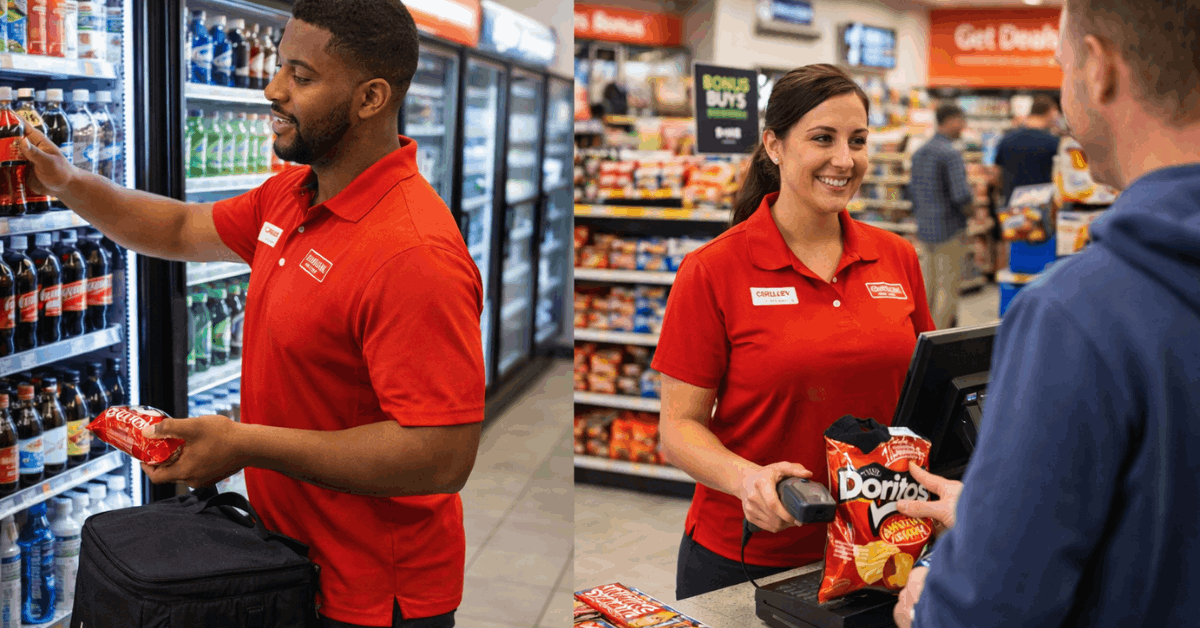
Circle K operates alongside regional brands in some markets, which expands options for applicants who relocate or commute.
Mobility across stores in the same market helps candidates reach full-time hours, access a shift preferred for family schedules, or step into a lead opening at a nearby site.
Communication with store and market managers keeps timing aligned when teams need coverage after promotions or resignations. Strong references travel well inside the network, especially when prior managers confirm accurate tills, clean audits, and quick learning across categories.
Quick Definitions and Jargon
Point of sale, often shortened to POS, refers to the checkout system that records sales and manages tenders. Forecourt describes the fuel pump area outside, including dispensers, canopies, bins, and squeegee buckets.
Planogram means the diagram that instructs shelf layout and product facings for a specific category. Shrink covers losses from errors, damage, theft, or date expirations. Mystery shop refers to third-party audits that score service, cleanliness, and policy adherence using anonymous visits.
Why The Store Culture Matters
Teams that communicate well handle rushes without burnout and keep standards visible. Simple checklists, quick huddles at shift start, and polite handoffs reduce misses on cleaning, stocking, and lottery controls.
Culture words such as customer-oriented, energetic, and collaborative match the behaviors that drive mystery shop scores higher and reduce complaints.
Managers notice associates who greet first, offer help, and keep the coffee area clean during peak hours. That consistency compounds into better schedules, trusted keys, and faster promotion conversations.
What To Bring To Day One
Arriving a few minutes early signals reliability and gives time to store a bag, clock in, and review the plan. Comfortable, closed-toe shoes, hydration, and layers handle long shifts under air-conditioning.
Small notepads help track steps until the routine becomes second nature, including timing for brew cycles, temperature logs, and trash runs. Clean, friendly interactions matter more than technical speed during the first week, since accuracy and policy alignment build confidence with leads and managers.
Last Thoughts
Aim for consistent service, clean standards, and tight cash accuracy every shift. Match scheduling flexibility to late hours, then communicate your availability during hiring and handoffs.
Build momentum through teamwork, safe forecourt routines, and quick escalation when incidents arise. Do this reliably, and advancement to lead or management follows within the network.