
Japan’s biggest postal group also runs a major bank, and its credit cards are marketed as JP BANK Card options. The Japan Post Credit Card term usually refers to these JP BANK Card products offered through Japan Post Bank.
If you want a card that connects tightly to your bank account, this lineup is built for that. You should still compare fees, interest, and statement costs before you apply. Here is what the official product pages say, in plain terms.
JP BANK Card Lineup: What “Japan Post Credit Card” Usually Means
JP BANK Card is not one single card, but a set of cards with different brands and tiers. You can choose Visa, Mastercard, or JCB, depending on the specific product you apply for.
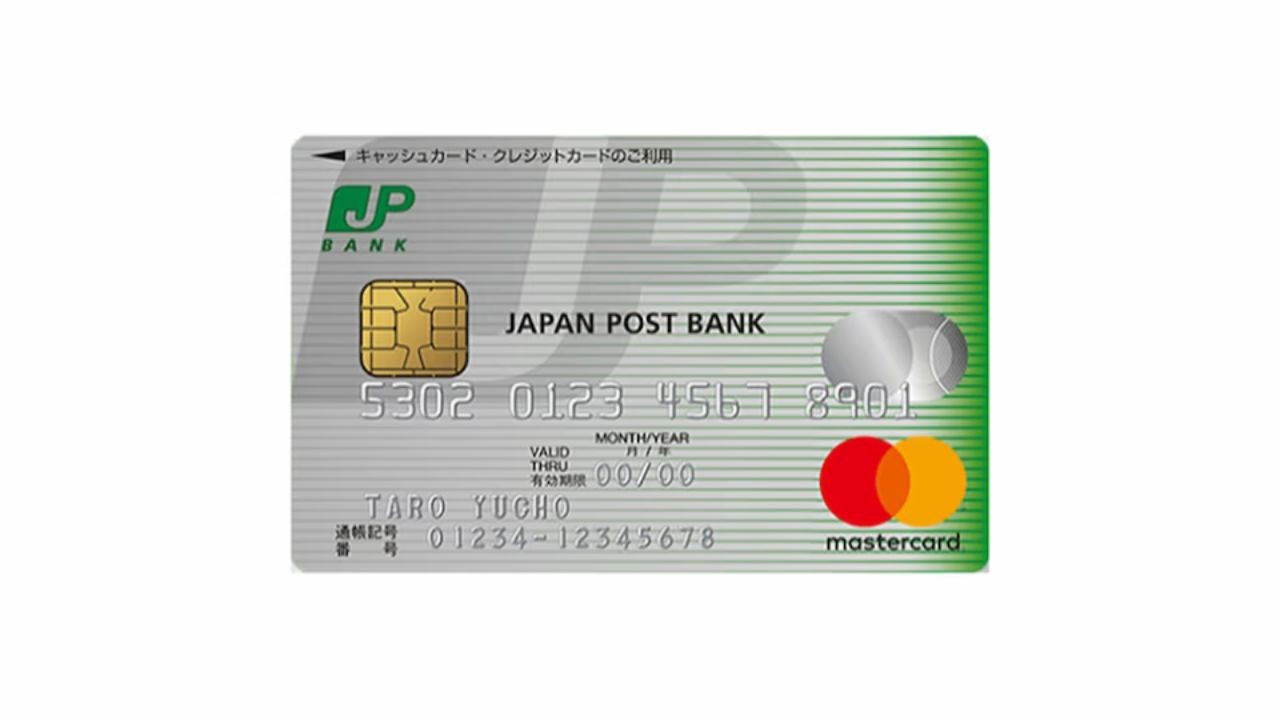
The lineup includes ALente, General, Gold, and EXTAGE, and each has its own age rules and fee structure. Your card type determines the rules more than the bank name does. That is why you should read the card page that matches your exact selection.
Card Types And Brands You Can Choose
The official comparison shows multiple JP BANK Card products across Visa, Mastercard, and JCB. ALente is a Visa option aimed at younger applicants, EXTAGE is a JCB option for younger applicants, and General and Gold come in multiple brands.
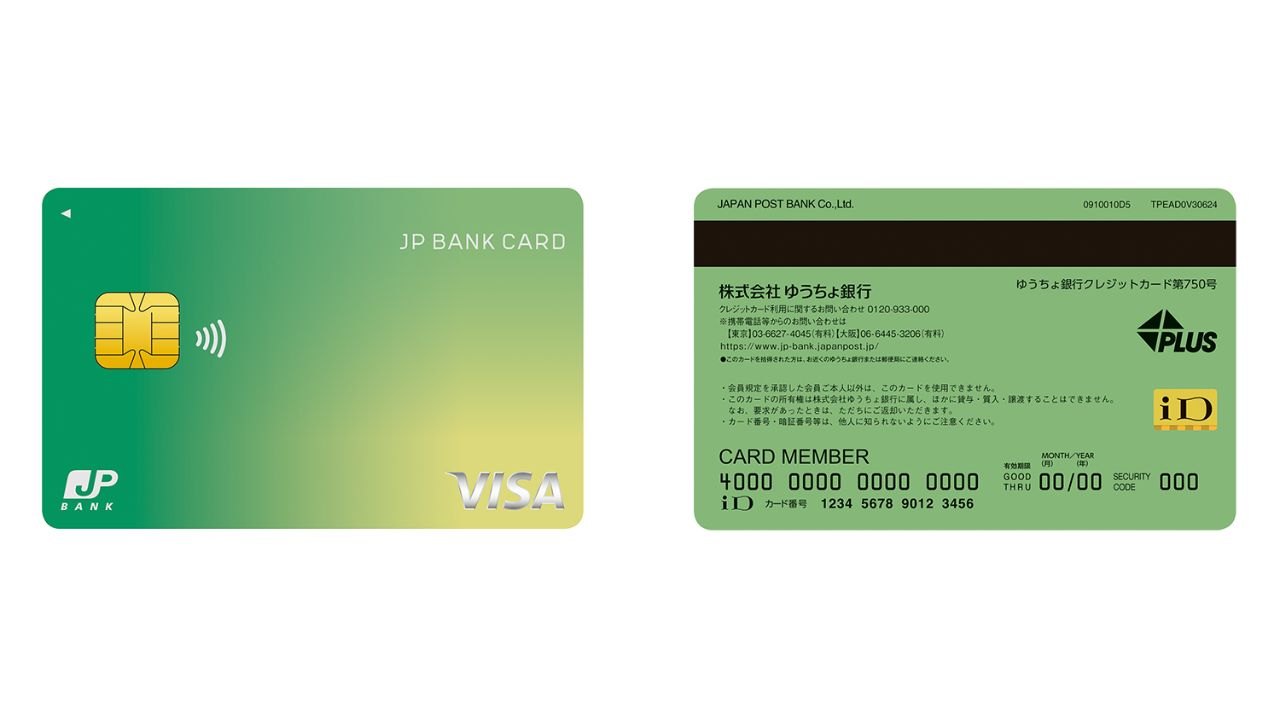
Brand choice affects your experience because member services differ between Visa and Mastercard versus JCB. You should pick the type first, then pick the brand that fits how you pay in daily life.
Cash Card Integrated Versus Credit Card Only
JP BANK Card can be issued as a cash card or an integrated card for certain products, and some Visa or Mastercard general cards also have a credit card-only form.
If you already carry a Japan Post Bank cash card, adding credit to the same card can reduce wallet clutter.
One-card convenience is a clear selling point on the general card page. If you want separate cards for security or budgeting, confirm whether your chosen product allows a standalone credit card.
Who Can Apply: Age And Income Rules
Eligibility depends on the card you choose, and the bank publishes basic age and income conditions. ALente and EXTAGE target ages 18 to 29, with high school students excluded.
The general card is for ages 18 and up, also excluding high school students. Gold has stricter rules, including an age threshold and stable income requirements that vary by brand. You should match your profile to the right tier before you start the application.
Fees And Charges: Annual Fee, Statements, And Other Costs
JP BANK Card fees are not just about an annual fee, because statement delivery and optional add-ons can add cost.

The bank highlights conditions where fees become free, but you need to track those conditions yourself. Some products are free only if you use the card at least once in a year, while others have a higher fixed annual fee.
Small charges can compound when you keep paper statements or use optional services without noticing. This section summarizes the official fee points you can verify on the product pages.
Annual Fee Rules By Card Type
The general card is free in the first year, and it stays free in later years if you make at least one shopping purchase in the prior year; it costs 1,375 yen, including tax.
ALente follows the same first-year free model and lists 1,375 yen in later years, with a similar discount rule tied to using the card at least once per year.
Gold lists an annual fee of 11,000 yen, including tax, with discounts based on annual spending thresholds. EXTAGE is different because it is free for the first five years, but it lists a 2,200 yen issuance fee per person if you cancel before the first renewal point.
Paper Statement Fees And How To Avoid Them
For certain Visa or Mastercard cards, excluding Gold, and for certain JCB general cards, a mailed paper statement can cost 165 yen per statement, including tax.
The bank also states that you can check your details through member web services and stop paper statements by registering for web statements.
Switching to web statements is the simplest way to remove this recurring fee. If you prefer paper for record keeping, you should budget for it and check how many statements you typically receive per year.
Other Fees To Keep On Your Radar
Some optional items and policy updates can change what you pay over time, so you should review notices.
One example is the bank’s announcement that the ETC card annual fee structure will be revised for payments from November 2026 onward, while keeping the first year free and allowing continued free use based on prior-year usage.
Policy updates can change costs even if your base card fee stays the same. If you use add-ons like ETC, confirm the latest conditions before assuming it is always free.
Interest Rates And Repayment Options: Revolving And Installments
Interest only applies if you do not pay your full balance by the due date, or if you choose revolving or installment methods.
JP BANK Card publishes fee rates for revolving payments and also publishes scheduled changes for certain brands starting in October 2026. You should treat these rates as real costs, because they can outweigh points and small perks.
Paying in full is the cheapest approach when your budget allows it. This section covers the official rates and timing rules shown on the bank pages.
Revolving Payment Fee Rates You Should Know
On the revolving payment page, the fee rate is listed as an effective annual rate of 15.0 percent for general cards and ALente, and 12.0 percent for Gold. The same page also points to an October 1, 2026, revision for installment and revolving fees.
Separately, the official notice for Visa and Mastercard says revolving will move to 18.00 percent after the revision, and it notes that Gold previously had 12.00 percent for revolving.
Revolving balances are expensive, so you should use them only if you can still repay quickly.
Installment Fees And The October 2026 Revision
The Visa and Mastercard notices also list installment fee rates changing on October 1, 2026, for new purchases after that date.
It shows installment fees moving from 12.00 percent to 14.75 percent before the change, to 14.70 percent to 17.91 percent after the change.
JCB has a separate notice stating its shopping skip, installment, and revolving fee rates change in October 2026, including a shift from 15.00 percent to 18.00 percent for certain methods. If you use installments, you should confirm which brand you have and which schedule applies to your purchases.
Payment Dates And How Billing Works
For Visa and Mastercard revolving information, the bank states that spending is closed at the end of the month and the payment is withdrawn on the 26th of the following month, or the next business day if the bank is closed.
For JCB EXTAGE, the product page states a different cycle, with a closing date on the 15th and a billing date around the 10th of the following month, with adjustments for weekends and holidays.
Your brand affects timing, so you should check the cycle that matches your card to avoid late payments.
How To Apply, What You Need, And Where To Get Support
Applying is straightforward if your Japan Post Bank account details are up to date. The bank highlights phone verification tied to the phone number registered to your Japan Post account.

It also notes that applications can be unavailable during scheduled maintenance windows, so timing matters.
Preparation reduces delays because incomplete contact details can block verification. This section pulls together the application flow and the support details published on official pages.
What You Need Before You Start The Application
The application flow shown on the official entry page states that phone authentication is performed using the phone number registered to your Japan Post account. If that number is outdated, you are instructed to update it before applying.
The same page lists scheduled maintenance windows where applications may be unavailable, including specific overnight windows in certain months.
Your registered phone number matters because it is used for verification, not just contact. If you want a smooth application, update your details first, then apply.
Application Steps You Will See Online
The official application sequence shown on the entry page begins with registering your email address and agreeing to the member terms.
Next, you enter a one-time password, then complete two stages of application information entry, and finally receive an application receipt completion screen. That structure suggests you should have your personal details ready before you start, because the flow is designed to be completed in one session.
One-time password verification is a core step, so you should apply it when you can access your phone and email without interruptions.
Customer Service Hotline And Main Office Location
For enrollment inquiries, the bank lists separate phone contacts by brand. For JP BANK Visa and Mastercard enrollment questions, the JP BANK Card Enrollment Desk is 0120-933-010, available 9:00 to 17:00 year-round except December 30 to January 3.
For JP BANK JCB enrollment questions, the JCB Enrollment Guide line is 0120-015-870, and a paid mobile option is 0570-015-870, available 9:00 to 17:00 and closed Sundays, holidays, and December 30 to January 3.
Head office location for Japan Post Bank is 2-3-1 Otemachi, Chiyoda-ku, Tokyo 100-8793, and the main representative number listed is 03-3477-0111. Local branches remain the primary contact point for most services.
Conclusion
If you already bank with Japan Post Bank and want a card that fits into that ecosystem, JP BANK Card is built for that role. The lineup gives you multiple paths, including low-fee general options and a higher-fee Gold tier with spending-based discounts.
Choosing the right tier upfront is the best way to avoid cost surprises later. Review the brand-specific support contacts and billing cycle so you do not miss a due date. If the terms match your habits, this card can be a practical daily tool.
Note: There are risks involved when applying for and using credit. Consult the bank’s terms and conditions page for more information.