UK shoppers are watching food bills like hawks, and cards are responding. ASDA Money Cashback is positioned as a supermarket-focused credit card that pays you back in Asda Pounds.
ASDA Money Cashback also aims to turn routine grocery spending into measurable rewards. But the math only works when you understand rates, fees, and how redemption really functions.
This guide breaks down rewards, charges, and the application steps. It also covers support contacts and the main office details you should save.
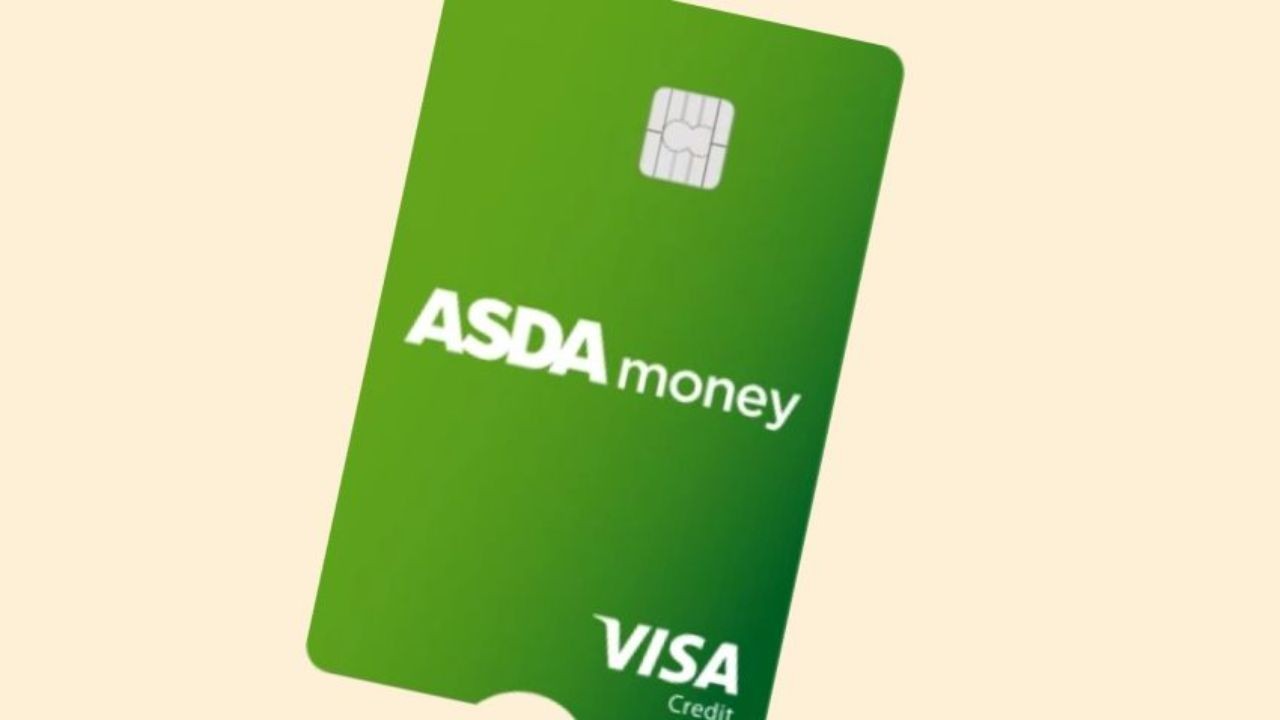
What ASDA Money Cashback Is Designed To Do
This card is built to reward predictable household spending, especially at ASDA. It pays cashback in the form of Asda Pounds, not as cash to your bank.
Grocery-led rewards can feel simple, but the value depends on how often you shop. It also sits in a regulated setup where ASDA acts as a credit broker and a separate lender issues credit.

That division affects who you call when something goes wrong. If you want a clear supermarket tie-in, this is the point.
The Cashback Currency: Asda Pounds And Redemption Basics
Your cashback is earned as Asda Pounds, which are linked to the Asda Rewards ecosystem.
You typically move earned amounts into your Rewards Cashpot before turning them into vouchers at checkout. This is not the same as a statement credit, so you need to redeem to feel the benefit.
Asda Pounds rewards are most useful when you already shop at ASDA weekly. If you rarely visit ASDA, redemptions can feel like extra admin. Build a routine so rewards do not sit unused.
Where The Card Fits Best In A Household Budget
The best fit is a household that regularly buys groceries and fuel at ASDA. Your rewards rate is usually higher on ASDA spend than on purchases elsewhere.
That structure favors stable weekly baskets over irregular big-ticket spending. Everyday essentials spending is where you can forecast rewards without guessing.
If you spread your grocery budget across multiple supermarkets, your earning rate may drop. For many people, the card becomes a loyalty tool as much as a credit tool.
How To Avoid Losing Value From The Start
You protect value by paying in full and keeping spending in reward categories. Cashback looks attractive until interest and fees enter the picture. That is why the card works best for people who treat it like a payment method, not borrowing.
Paying in full monthly is the simplest way to keep rewards meaningful. If you carry balances, APR can outpace cashback quickly. You should also avoid cash withdrawals and foreign currency purchases unless necessary.
Cashback Earning Rules That Matter Most
Cashback cards are won or lost on the fine print of earning. ASDA’s card is often described as paying a higher rate in Asda Pounds on ASDA spend and a lower rate elsewhere.
That split is the headline, but how you shop matters just as much. Rate differences by merchant mean your habits can change the outcome fast.
You should also treat promotional rates as temporary unless the issuer confirms they are ongoing. This section keeps the focus on practical earning behavior.
ASDA Spend Versus Non ASDA Spend: The Core Split
Reports and card summaries commonly describe 1% back in Asda Pounds on ASDA spending and 0.3% elsewhere. That can make a weekly ASDA shop noticeably more rewarding than shopping across multiple stores.
The split also encourages you to route more everyday purchases through the card, but only if you stay disciplined. ASDA versus elsewhere rates are the main lever behind the card’s value.
If your spending is mostly outside ASDA, the return is modest. Always check the current offer wording before applying.
Grocery Scenarios: What Typical Spending Looks Like In Practice
If you spend £100 a week at ASDA, the higher earning rate can build visible ASDA Pounds over time. If you spend the same amount across different shops, your blended earn rate usually drops.
That is why this card rewards loyalty more than variety. Weekly basket consistency is what makes rewards feel predictable.
Some households will prefer flexibility over a store-linked reward. Your best move is to map your grocery spend over the last three months before deciding.
Purchase Types That Can Disappoint: Coding And Exclusions
Rewards depend on how merchants classify transactions, and that can vary. Online marketplaces, third-party delivery, or unusual payment setups may not behave like a normal supermarket purchase.
Merchant coding quirks can change whether you earn the rate you expect. You should monitor early statements to confirm the pattern matches the marketing.
If the rate looks off, it may be a merchant classification issue rather than an error. That is also when customer support becomes useful.
Rates, Fees, And Charges You Must Budget For
Rewards only matter after you subtract costs, so this section is the reality check. The ASDA Money Credit Card is generally described as having no annual fee, which removes a common barrier.
But interest rates and transaction fees still matter, especially if you carry balances. Representative APR is a headline figure, yet your personal rate may differ based on your status.
You also get an interest-free period on purchases when you pay in full. If you use the card abroad or for cash, costs rise quickly.
APR, Interest-Free Purchases, And What Changes Your Cost
The card is widely reported with a representative purchase APR of around 25.9% variable, and the rate offered can vary higher based on circumstances.
You can also see references to an interest-free period of up to 56 days on purchases if you clear the balance in full. Up to 56 days interest-free is valuable, but only when you pay on time.
Once interest starts, cashback is unlikely to compensate. If you think you might carry balances, compare with lower-APR options first. Treat the APR as the cost of borrowing, not as background noise.
Fees That Reduce Rewards: Cash And Foreign Currency
Cash withdrawals and similar transactions typically carry a 3% handling fee, with a minimum fee often shown as £3. Overseas spending in foreign currency is commonly reported with a 2.99% non-sterling purchase fee.
Foreign spending fee means the card is not a cheap travel payment option. If you use it abroad, the extra percentage can exceed the cashback you earn.
Cash transactions also tend to attract interest immediately, depending on issuer rules. If you want rewards, keep usage focused on normal purchases.
Default Charges: Late Fees And Over Limit Fees
Late payment and over-credit-limit fees are commonly shown as £12 each in published summaries. These charges can accrue interest, making a single missed payment costly.
Late payment fee risk is avoidable if you set up a Direct Debit for at least the minimum amount. You should also leave a buffer room under your credit limit, especially around large grocery shops.
If you go over the limit, you pay the fee and can trigger tighter account controls. A cashback card only stays rewarding when account management is clean.
Pros And Cons For Real World Cardholders
This is the section that should decide your next move, because it ties features to real behavior.
You should judge the card by how often you shop at ASDA and whether you can pay in full. It can work well as a loyalty tool that turns supermarket spend into redeemable value.
Rewards for loyal shoppers can feel tangible when you convert Asda Pounds into vouchers. The downside is that rewards are less flexible than cash, and fees can undo progress fast. The card also depends on you staying organized with payments.
Biggest Advantages For Regular ASDA Households
The main advantage is that your normal weekly shop can generate rewards without changing your lifestyle. A second advantage is the absence of an annual fee, which lowers the pressure to “justify” the card.
No annual fee structure makes it easier to try the product if you already shop at ASDA. If you value ASDA Rewards, the redemption path feels familiar and practical.
The card can also help you separate grocery spending for budgeting. For many households, that clarity is as useful as the cashback itself.
The Downsides That Can Make It A Poor Fit
If you do not shop at ASDA often, the headline rewards rate becomes less relevant. If you carry balances, the APR can erase cashback quickly, especially at typical UK credit card rates.
Interest outweighs cashback is the most common failure mode for reward cards. Foreign currency fees also limit the usefulness for travel or overseas online spending.
The rewards format is store-linked, so it is not ideal if you want cash back anywhere. If you prefer one simple card for everything, you may feel boxed in.
Requirements, How To Apply, And Where To Get Help
Applying is straightforward, but you should prepare to avoid delays. Public app listings and product information commonly state you must be 18 or over and a UK resident.
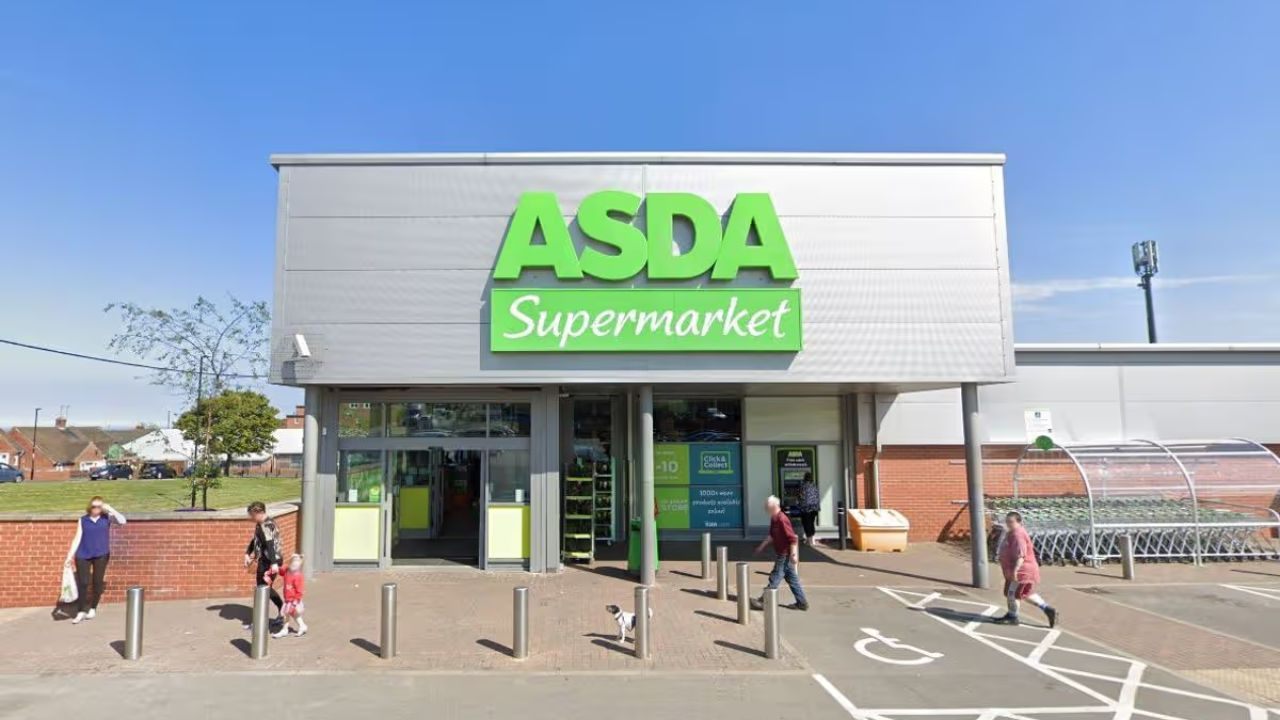
ASDA acts as a credit broker, and credit is issued by Jaja Finance Ltd, so underwriting sits with the lender.
Eligibility basics are simple, but approval still depends on status checks and your credit profile. You should gather address history, income details, and current commitments before starting. You also need to know which support line to use after approval.
Requirements And The Details You Should Have Ready
You should expect to provide personal identity details, UK address history, and income information. You may also need to share employment status and housing costs, depending on the application flow.
Accurate application details matter because mismatches can trigger extra verification. If you are close to your budget limits, a credit card is not a solution by itself.
Use the application as a moment to check whether you can pay in full each month. If you cannot, your cost risk increases before you earn meaningful rewards.
How To Apply And What Happens After You Submit
Most applicants apply online through ASDA Money’s credit card route, and decisions can be instant or pending verification. If you are referred, it usually means the lender needs more checks, not an automatic rejection.
Status checks after submission can include confirming identity or reviewing credit data. Once approved, you should set up a Direct Debit immediately to avoid late fees.
Downloading the official app can help you track spending and earned Asda Pounds in real time. Your first month is when habits are set, so keep it simple and consistent.
Customer Service Hotline And Main Office Location
For general ASDA Money help, the published contact number is 0333 999 0933, with typical weekday and Saturday opening hours listed. For card-issuer support, Jaja also publishes contact options, including a UK number for help.
Save the support number before you need it, especially for payment issues or disputes.
ASDA Stores Limited’s registered address is Great Wilson Street, Leeds, LS11 5AD, trading as Asda Money. The card issuer shown in official app listings is Jaja Finance Ltd, with an address listed as 3 Valentine Place, Southwark, London, SE1 8QH.
Conclusion: The Quick Decision Checklist
For the right shopper, this card turns routine baskets into real savings. ASDA Money Cashback is most convincing when ASDA is already your main supermarket. Pay in full, avoid cash use, and treat foreign spending as costly.
If you do not redeem Asda Pounds regularly, the benefit feels smaller. If you are organized and loyal to ASDA, the reward loop can work smoothly. If not, a simpler cashback card may be a better fit.
Note: There are risks involved when applying for and using credit. Consult the bank’s terms and conditions page for more information.