You depend on reliable food assistance when your household budget is tight. The EBT Card Program helps deliver SNAP benefits securely through state-managed systems.
This guide explains how SNAP works, how benefits are issued, and how you access official state channels safely.
You will understand eligibility rules, applications, benefit limits, and fraud prevention in clear terms.
Understanding the Purpose of SNAP
SNAP is a federal nutrition assistance program funded by the U.S. Department of Agriculture. It supports low-income households so you can buy essential grocery items each month.
What SNAP Is Designed to Do?
SNAP reduces food insecurity and supports family stability. It helps children, seniors, and individuals with limited income maintain access to essential nutrition.

The program adjusts to household size and income level. It also responds to economic downturns and public emergencies.
Federal and State Responsibilities
The federal government funds SNAP and sets core rules. Your state administers applications, eligibility checks, and benefit distribution.
State agencies manage customer service and account updates. This shared structure ensures consistent program standards nationwide.
What Is an EBT Card and How It Works?
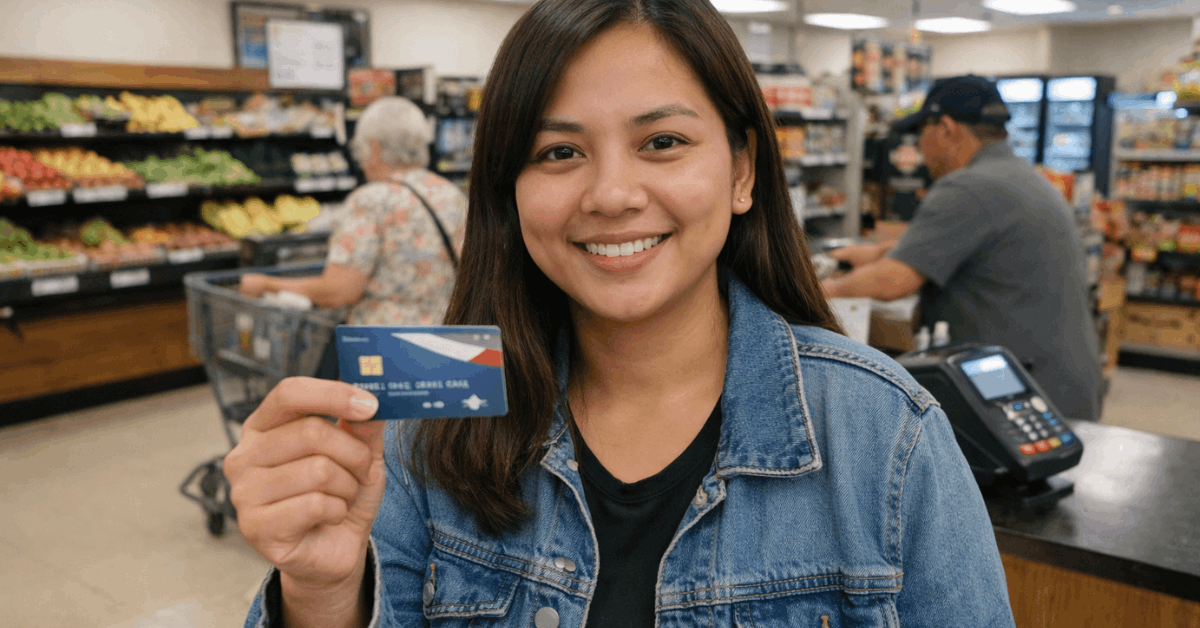
An EBT card functions like a debit card for approved food purchases. It allows you to access SNAP benefits electronically at authorized retailers.
How Does the Electronic System Operate?
Once approved, your benefits are deposited monthly into your EBT account. You swipe your card at checkout and enter a secure PIN number.
The system deducts the purchase amount from your balance instantly. You receive a receipt showing your remaining available balance.
Where You Can Use Your Card?
You can use your EBT card at approved retail locations. These retailers must meet USDA authorization standards. Eligible locations generally include the following:
- Large grocery stores and supermarket chains
- Local food markets and small retailers
- Participating farmers markets
- Approved online retailers in selected states
Each retailer must be officially authorized to process SNAP transactions.
How Does the EBT Card Program Connect to SNAP?
The EBT Card Program serves as the electronic delivery system for SNAP benefits. It replaced paper food stamps to improve efficiency and accountability.
Benefits of Electronic Distribution
Electronic distribution reduces fraud risk and administrative errors. It allows real-time tracking of benefit transactions.
It simplifies monthly benefit loading for states. It ensures secure and timely access to food assistance support.
Eligibility Requirements for SNAP
Your eligibility depends on income, household size, and specific federal guidelines. States apply uniform federal standards but may include minor administrative variations.
Core Income Requirements
SNAP considers both gross and net monthly income. Gross income must fall below a defined percentage of the federal poverty level.
Net income accounts for allowable deductions such as housing costs. Household size directly affects the maximum monthly allotment.
Special Eligibility Considerations
Seniors and individuals with disabilities may qualify under modified rules. Certain households receive additional medical expense deductions.
Able-bodied adults without dependents must meet work requirements. Emergency allotments may apply during declared disasters.
Applying Through Official State Channels
You must apply for SNAP benefits through your state’s official website or local office. Using verified state portals protects your personal information and reduces fraud risk.
Steps in the Application Process
The application process follows a structured verification system. It typically includes these stages:
- Create an online account on your state’s benefits portal
- Complete and submit the SNAP application form
- Upload the required documents for verification
- Participate in a phone or in-person eligibility interview
After review, you receive an official approval or denial notice.
Documents You Must Provide
You must submit proof of identity verification and residency. Income documentation is required for all working household members.
Social Security numbers are generally needed for applicants. Additional documentation may be requested if discrepancies appear.
How Benefits Are Calculated?
Your monthly benefit is based on a federal calculation formula. The calculation considers your household size and financial situation.
Understanding the Benefit Formula
The federal government sets a maximum benefit allotment for each household size. Your net income is multiplied by a standard percentage.
That amount is subtracted from the maximum benefit. Allowable deductions can increase your final monthly benefit amount.
Approved and Restricted Purchases
SNAP benefits can only be used for eligible food items. Understanding restrictions helps you avoid declined transactions and confusion.
What You Can Buy?
SNAP covers essential grocery items that support household nutrition. Eligible purchases generally include the following categories:
- Fresh fruits and vegetables
- Meat, poultry, and seafood
- Dairy products and eggs
- Bread, cereals, and snack foods
These items must be intended for home consumption.
What You Cannot Buy?
SNAP does not cover non-food or restricted products. Commonly prohibited items include alcohol and tobacco.
Vitamins and supplements are not eligible. Hot prepared foods are typically excluded unless a special state waiver applies.
Managing Your EBT Account Securely
You are responsible for monitoring your EBT account activity regularly. Proper account management prevents unauthorized use and benefit loss.
Checking Your Balance
States provide multiple methods to check your remaining benefit balance. You can access your account online through your state portal.
Many states offer automated customer service hotlines. Your printed store receipt also displays your updated balance.
Protecting Your PIN and Information
Never share your PIN code with anyone. Avoid writing it on your card or storing it in unsecured notes.
Contact your state hotline immediately if you suspect unauthorized transactions. Quick reporting increases the chance of recovering stolen benefits.
Fraud Prevention and Scam Awareness
Scammers often target SNAP recipients through fake websites and text messages. You must rely only on official government platforms for account access.
Common Fraud Tactics
Fraud attempts usually involve requests for sensitive personal information. Be cautious of the following warning signs:
- Messages asking for your EBT card number or security PIN
- Websites that do not use official .gov addresses
- Calls claiming your benefits will be suspended
- Social media posts offering fake benefit increases
These tactics aim to steal your financial data.
How to Report Fraud?
Contact your state’s official EBT customer service line immediately. Report suspicious websites or messages to your state agency.
Some states allow online reporting through secure benefits portals. Acting quickly helps prevent further misuse.
Replacement Cards and Account Issues
If your card is lost or stolen, you must act immediately to protect your remaining benefits. Quick action reduces the risk of financial loss.
Steps to Replace a Lost Card
Call the official EBT customer service number provided by your state. Cancel the compromised card to stop further unauthorized transactions.
Request a replacement card and confirm your mailing address. Create a new secure PIN number once your replacement arrives.
State Differences in SNAP Administration
SNAP follows federal guidelines, but states manage operations locally. Administrative procedures may vary slightly depending on your state agency system.
Areas That May Differ by State
State-level differences usually involve application and service processes. Examples include the following:
- Online portal design and account access features
- Interview scheduling systems
- Customer service availability
- Online grocery purchasing options
Understanding your state’s specific process helps you manage your benefit services more efficiently.
Renewal and Recertification
SNAP benefits are approved for a limited certification period. You must complete recertification to continue receiving assistance.
Renewal Process Overview
Your state will notify you before your certification period ends. You must submit updated income documentation and household information.
Some states require a renewal interview. Failure to respond can result in benefit suspension.
Strengthening Household Food Security
The EBT Card Program plays a central role in maintaining household access to essential groceries. It ensures benefits are delivered securely and efficiently across all states.
Electronic distribution strengthens oversight and program accountability. When you follow official state channels and protect your account, you maintain uninterrupted access to long-term nutrition support.