If you are comparing everyday credit cards in Germany, you need clear facts, not hype. The Deutsche Bank Card search often leads to the Deutsche Bank Mastercard Standard because it is positioned as a straightforward option.
This guide focuses on what the bank states publicly and what you still need to confirm before you apply.
You will see how the card works, what it costs, and what it is best used for. You will also learn what to prepare so the application goes smoothly. Finally, you will get the right customer service contacts and the main headquarters address.
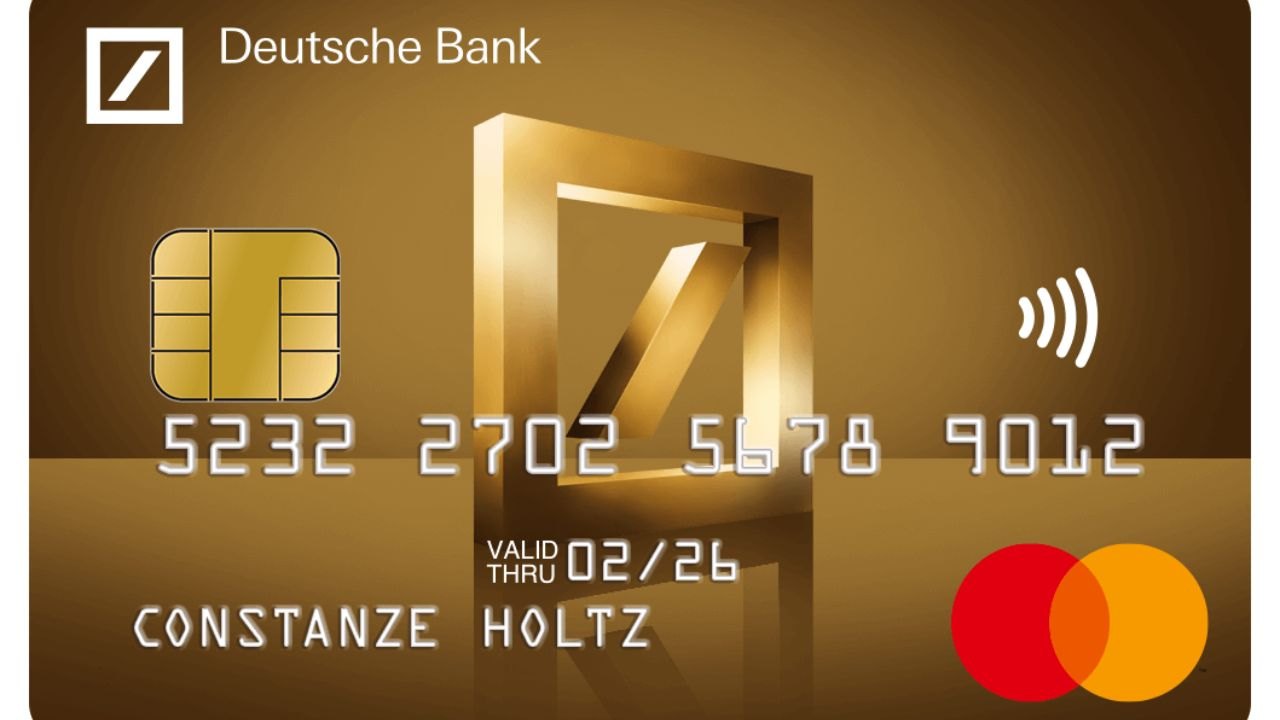
What The Deutsche Bank Mastercard Standard Is Designed To Do
The Mastercard Standard is presented as a credit card that settles monthly from your current account.
That structure matters because it frames the card as spending credit with regular clearing, not open-ended borrowing.
Monthly debits from your current account are a core feature, and you should plan your cash flow around that date. It is available from age 18 and is subject to creditworthiness, so approval is not automatic.
The bank also highlights Apple Pay and Google Pay support for mobile payments. You should treat it as a practical card for daily purchases, online checkout, and travel spending.
A Simple Credit Card With Monthly Account Debits
The card is designed so purchases are collected and then debited from your current account each month. This can suit you if you want one monthly settlement instead of multiple immediate account hits.
It can also help you track spending because you see a statement cycle before the debit happens. This monthly settlement model rewards disciplined budgeting because you still need funds ready when the debit lands.
If you are likely to run short, you should plan a buffer in your account. It is a good fit for routine shopping, subscriptions, and travel bookings when you want card acceptance.
Where It Fits Among Deutsche Bank’s Other Cards
On the same product page, Deutsche Bank shows several card tiers side by side. Mastercard Standard sits below premium options like Gold and Travel, which add travel services and broader insurance packages.
The Standard card keeps the basics, including mobile wallets and worldwide contactless payments. It is positioned as the popular baseline option for customers who do not want to pay for premium travel extras.
If you mainly want card acceptance and app control, Standard can be enough. If you need reduced foreign currency costs, the Travel card is the one the bank labels with no foreign transaction fee.
Typical Everyday Use Cases For Cardholders
Most people use a card like this for grocery runs, fuel, online orders, and recurring payments. It is also built for contactless tap payments in stores and for card-not-present transactions online.
Because it has an individual credit card limit, you can use it for larger purchases within your approved ceiling. Cashless and contactless payments are the everyday advantage you feel right away, especially when traveling or using public transport apps.
If you share spending with a partner, consider how the monthly debit affects shared budgeting. The simplest approach is to treat the card like a payment tool, not a way to stretch finances.
Costs, Rates, And Charges You Need To Understand
Price clarity is what keeps a “simple card” from becoming an expensive one. Deutsche Bank states the Mastercard Standard has an annual fee of 39 euros.

It also publishes a foreign transaction fee for payments made in foreign currencies, which is where many travelers get surprised. The foreign currency fee is listed in the feature table, and you should read it before your first trip.
The page does not present a single headline purchase APR, so you should rely on your personalized terms and the price and service directory for detailed rate rules.
Annual Fee And What You Pay For Over A Year
The annual fee is a predictable cost, and Deutsche Bank lists it directly for this card. Paying 39 euros a year can be reasonable if you will use the card regularly and value the convenience.
You are paying for credit card functionality, worldwide acceptance, and mobile wallet support, rather than premium travel insurance packages. The annual fee is shown as “just €39” on the official cards page, so you should include it in your yearly budget.
If you bank with Deutsche Bank, check whether your account bundle changes card pricing, because some products include cards differently. If you rarely use a credit card, a lower fee product may suit you better.
Foreign Currency Spending And Conversion Fees
The Mastercard Standard includes a foreign transaction fee for payments made in foreign currencies. In the comparison table, Deutsche Bank lists this as 1.75 percent, with a minimum of 1.50 euros, for the Standard card.
This fee can add up quickly if you travel often or buy from non euro merchants online. Foreign currency fees affect small purchases too because the minimum charge applies in some cases.
If you travel frequently, compare this with the Travel card, which the bank lists as free of charge for foreign transaction fees. You should also remember that merchant currency conversion at checkout can add its own costs, separate from the bank fee.
Other Common Charges To Watch Before You Apply
The public page highlights payments and cash withdrawals worldwide, but it does not list every fee in one place. It references the price and service directory for currency conversion details, which signals that more pricing rules live outside the overview page.
You should treat cash withdrawals as a separate cost category and confirm how they are priced for your account and card terms. A price directory reference means details can vary based on rules, timing, and transaction type.
You should also check any replacement card fees, card blocking procedures, and dispute handling expectations. The safest approach is to read the price and service directory and your personalized terms before using the card internationally.
Benefits And Features That Matter In Daily Spending
A card earns its place when it reduces friction in normal life. Deutsche Bank highlights Apple Pay and Google Pay, which means you can use your phone for contactless payments where supported.

The bank also highlights worldwide cashless and contactless payments, plus app-based transparency and control. App control is a practical benefit when you travel because you can monitor activity and react quickly.
The security guarantee section also matters, especially for lost cards and suspicious transactions. Use these features as operational tools, not marketing extras, and you will get more value from the annual fee.
Contactless Payments And Worldwide Acceptance
The core benefit is simple: you can pay at millions of places in Germany and abroad, including online. Contactless payments let you tap at the terminal while keeping the card in your hand, which is faster and often more secure.
The page also notes cash withdrawals worldwide, which is useful as a backup when a merchant is cash-only. Contactless is listed as a free function in the feature table, so you do not pay extra to use it.
If you are traveling, keep a second payment method available in case a terminal declines one network. In daily use, track spending weekly so the monthly debit never surprises you.
Apple Pay And Google Pay Setup Expectations
Deutsche Bank lists Apple Pay and Google Pay for the Mastercard Standard, which signals support for mobile wallet payments. In practical terms, you will add the card to your wallet, verify it, and then pay with your phone at contactless terminals.
Mobile wallet use can reduce card handling, which lowers exposure to skimming risks in busy locations. Mobile payments help you keep the physical card safer while still letting you pay quickly.
You should still monitor transactions in the app, especially after traveling or shopping online. If mobile wallet setup fails, customer service can usually confirm whether your account settings or verification steps need adjustment.
Requirements To Prepare Before You Apply
Preparation is what separates a smooth approval from a frustrating back-and-forth. Deutsche Bank states that the credit cards on the page are available to those aged 18 and older, assuming creditworthiness.
That implies you will be assessed based on identity checks, affordability, and your credit profile. Creditworthiness is the gatekeeper for approval, and you cannot skip it with a strong application form.
You should gather accurate personal details, stable income information, and your current address history before you start.
If you already hold a Deutsche Bank current account, your application may feel faster because the bank already knows your profile, but it still runs checks.
Eligibility Basics And What Creditworthiness Implies
Creditworthiness is the bank’s way of saying it will decide whether lending you a card limit is responsible. You should expect checks that compare your income and outgoings with your current debt commitments.
You should also expect identity verification, which is why accuracy in names and addresses matters. If you have missed payments, high utilization, or recent credit searches, approval can be harder.
A clean recent payment record supports your application more than vague promises about future budgeting. If your income is irregular, prepare a sensible average you can explain. The goal is to show you can handle the monthly debit without strain.
Documents And Details To Have Ready
Before you apply, list the inputs you will be asked to enter, then confirm them against your records. You will typically need your legal name, date of birth, nationality, and contact details, plus current and previous addresses.
You should also prepare employment details, income figures, and a realistic estimate of regular monthly outgoings.
Consistent address history prevents verification delays that can happen when data sources do not match. If you are new to Germany, prepare your registration details and ensure your address formatting is correct. Keeping these details ready helps you complete the application without rushing or correcting entries later.
How To Apply And Where To Get Help If You Get Stuck
Deutsche Bank’s cards page includes an “Apply now in German” path for Mastercard Standard.
That signals the official application route is through Deutsche Bank’s own process, rather than third-party application pages.
If you do not read German comfortably, plan to use translation support or ask for guidance from customer service before submitting. The official application path is the safest route because it reduces scam risk and keeps your data within bank channels.
After submission, you may be asked for additional verification depending on your profile. You should save the customer service numbers before applying so you can resolve issues quickly if the process stalls.
Official Application Route And What Happens After Submission
Start at Deutsche Bank’s official cards area, select Mastercard Standard, and follow the application flow shown for the product. You will enter your details, review the terms, and submit, then wait for a decision or a request for further checks.
If the bank needs clarification, respond quickly and provide exactly what it asks for to avoid delays. Verification requests are normal and not a rejection when the bank is confirming identity or affordability.
If you are approved, you will receive the card and then set up app access, wallet payments, and security settings. Once active, treat statement review as a weekly habit so the monthly debit stays predictable.
Customer Service Hotline Options Including English Support
For English language customer service, Deutsche Bank lists +49 69 910 10000 with Monday to Friday phone or video support from 8 am to 8 pm.
If you need the main headquarters address for formal paperwork, Deutsche Bank AG lists Taunusanlage 12, 60325 Frankfurt am Main, Germany.
Conclusion
Applying for a credit card should feel simple, but you still need to think like a decision maker. Deutsche Bank Card research is most useful when you focus on fees, controls, and your repayment plan.
The Mastercard Standard is positioned around monthly debits, mobile wallet support, contactless payments, and an individual limit.
Note: There are risks involved when applying for and using credit. Consult the bank’s terms and conditions page for more information.