Amazon Opportunities cover a wide range of roles that differ in terms of responsibilities, work environments, and career progression.
You can choose between corporate positions focused on planning and decision-making or fulfillment roles centered on hands-on operations.
This article explains both paths so you can identify which option matches your skills and work preferences.
Understanding Careers at Amazon
Amazon offers multiple career paths that differ by role type, work setting, and long-term goals.
You need to understand how these paths are structured before choosing where to apply.
- Two main career tracks: Corporate roles or fulfillment. Each track has different schedules and skills.
- Role focus by function: Corporate work covers tech, finance, and planning. Fulfillment work covers logistics and order tasks.
- Work location setup: Corporate roles are often office-based or hybrid. Fulfillment roles are on-site.
- Entry-level vs. professional: Fulfillment roles can require less experience. Corporate roles often need specific skills.
- Internal movement options: You can transfer between teams over time. This can support career growth.

Corporate Roles at Amazon
Corporate roles focus on planning, strategy, and business decisions. These jobs usually require specific skills and relevant experience.
- Software and tech roles: You build and maintain systems and tools. Work is often coding and technical problem-solving.
- Business and ops management: You run projects and improve processes. You coordinate across teams.
- Finance and accounting: You manage budgets and reports. Accuracy and compliance matter.
- HR and recruiting: You support hiring and employee needs. You help apply policies and processes.
- Marketing and communications: You support campaigns and messaging. You track results and improve performance.

Fulfillment and Warehouse Roles
Fulfillment and warehouse roles focus on efficiently moving, sorting, and delivering orders.
These positions support daily operations and are essential to meeting customer demand.
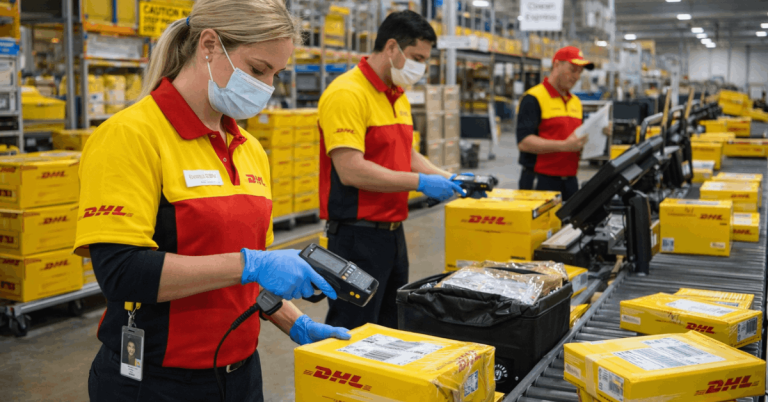
- Warehouse associates: Handle picking, packing, and sorting of items. Work follows clear process steps.
- Sortation roles: Manage item flow between facilities. Speed and accuracy are important.
- Delivery station roles: Prepare packages for last-mile delivery. Shifts often align with dispatch times.
- Team leads: Support daily operations and guide associates. Focus stays on workflow and targets.
- Area managers: Oversee teams and performance metrics. Responsibilities include staffing and safety.
Typical Fulfillment Positions
Fulfillment positions cover hands-on tasks and basic team supervision. These roles keep warehouse operations running smoothly each day.
- Picker: Selects items from storage locations. Accuracy and pace are important.
- Packer: Prepares items for shipment. Work follows packing and labeling standards.
- Sorter: Organizes packages by route or destination. Attention to detail matters.
- Warehouse associate: Performs multiple operational tasks as needed. Flexibility is required.
- Shift or team lead: Coordinates daily tasks and supports associates. Focus stays on targets and safety.
Work Structure and Expectations
Work structure varies depending on the role and team, but expectations remain clearly defined.
Performance, ownership, and accountability are central across corporate positions.
- Work setup: Roles may be office-based, hybrid, or fully remote. Availability depends on team needs and location.
- Performance standards: Goals are measured through metrics and results. Consistent delivery is expected.
- Ownership mindset: Tasks are handled with individual responsibility. Decisions often require independent judgment.
- Collaboration: Projects involve cross-team coordination. Clear communication is essential.
- Pace and pressure: Deadlines can be demanding. Time management matters.
Skills and Qualifications Compared
Skill requirements vary clearly between corporate and fulfillment roles. Understanding these differences helps you target the right positions.
- Education level: Corporate roles often require a degree or certifications. Fulfillment roles usually have basic entry requirements.
- Technical skills: Corporate positions need role-specific expertise. Fulfillment roles focus on task execution and the use of tools.
- Experience expectations: Corporate hiring favors prior professional experience. Fulfillment hiring allows limited or no experience.
- Physical requirements: Fulfillment work involves standing and lifting. Corporate work is mostly desk-based.
- Training approach: Corporate roles use a structured onboarding. Fulfillment roles rely on short, hands-on training.
Pay Structure and Benefits Overview
Pay and benefits vary by country, site, and role level. These ranges help you set realistic expectations before you apply.
- U.S. fulfillment pay range: $18.50–$29.50 per hour, depending on role and location. Benefits value can raise total compensation.
- U.S. typical benefits (eligible roles): Medical, dental, vision, plus paid time off and holidays.
- U.S. corporate example (Software Engineer): Total compensation often around $179K (L4) and $273K (L5), depending on level and location.
- U.S. benefits (jobs portal example): Options can include 401(k), dental/vision, and flexible spending accounts, plus support resources.
- UK fulfillment benchmark: Warehouse Worker hourly pay in England is often around £15.88/hour (role and location affect this).
Career Growth and Internal Mobility
Amazon supports career progression through promotions, training, and role changes. Growth paths differ by role type but remain structured.
- Promotion pathways: Clear levels define advancement in both corporate and fulfillment roles. Performance and results drive movement.
- Internal transfers: Employees can apply to new teams or locations. Transfers support skill expansion and role changes.
- Training programs: Upskilling options include on-the-job training and leadership development. Access depends on role and tenure.
- Management tracks: Fulfillment roles can lead to team lead or area manager positions. Corporate roles offer defined leadership ladders.
- Cross-functional moves: Experience in one area can support moves into related roles. Planning and eligibility rules apply.
Application and Hiring Process
The hiring process depends on the role type and location, but the overall flow stays structured. Corporate and fulfillment roles follow different evaluation steps.
- Online application: Applications are submitted through Amazon’s official jobs portal. Role details and requirements are listed clearly.
- Initial screening: Fulfillment roles often use automated checks. Corporate roles may include resume reviews by recruiters.
- Assessments: Fulfillment roles may require basic online assessments. Corporate roles often include technical or role-based tests.
- Interviews: Fulfillment hiring can involve brief on-site or virtual interviews. Corporate hiring usually includes multiple interview rounds.
- Offer and onboarding: Selected candidates receive an offer with pay and terms. Onboarding includes training and compliance steps.
Who Each Career Path Is Best For
Each career path suits different goals, schedules, and experience levels. Choosing the right option depends on how you want to work and grow.
- Corporate roles: Best for long-term career development and professional growth. Suitable for those with specialized skills or education.
- Fulfillment roles: Best for quick entry and steady income. Suitable for those seeking hands-on work and fixed shifts.
- Flexible workers: Fulfillment roles suit variable availability and shift-based schedules. Entry requirements are lower.
- Career switchers: Fulfillment roles offer a starting point with training. Internal transfers can support advancement.
- Leadership-focused candidates: Corporate roles fit those targeting management and strategic responsibility.
Final Takeaway
Amazon Opportunities include both corporate and fulfillment roles, with clear differences in skills, schedules, and daily work.
Choosing the right path depends on your experience level and the work setup you can commit to.
Review current Amazon Opportunities, carefully prepare your application, and apply through the official jobs portal to take the next step.